
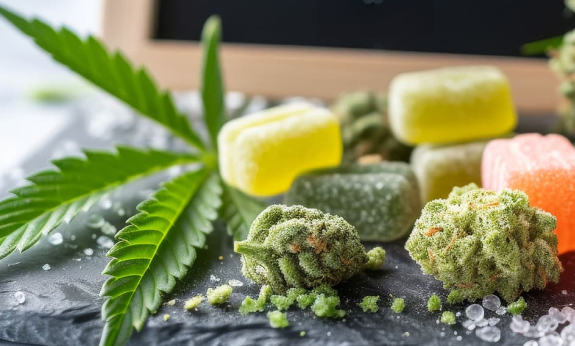
New to edibles? Here's how dosing actually works, what to expect from onset time, and how to choose between gummies, chocolates, and more.
Cartridges or all-in-one vapes, the choice affects cost, convenience, and flavor more than most people expect. Here's how to pick.
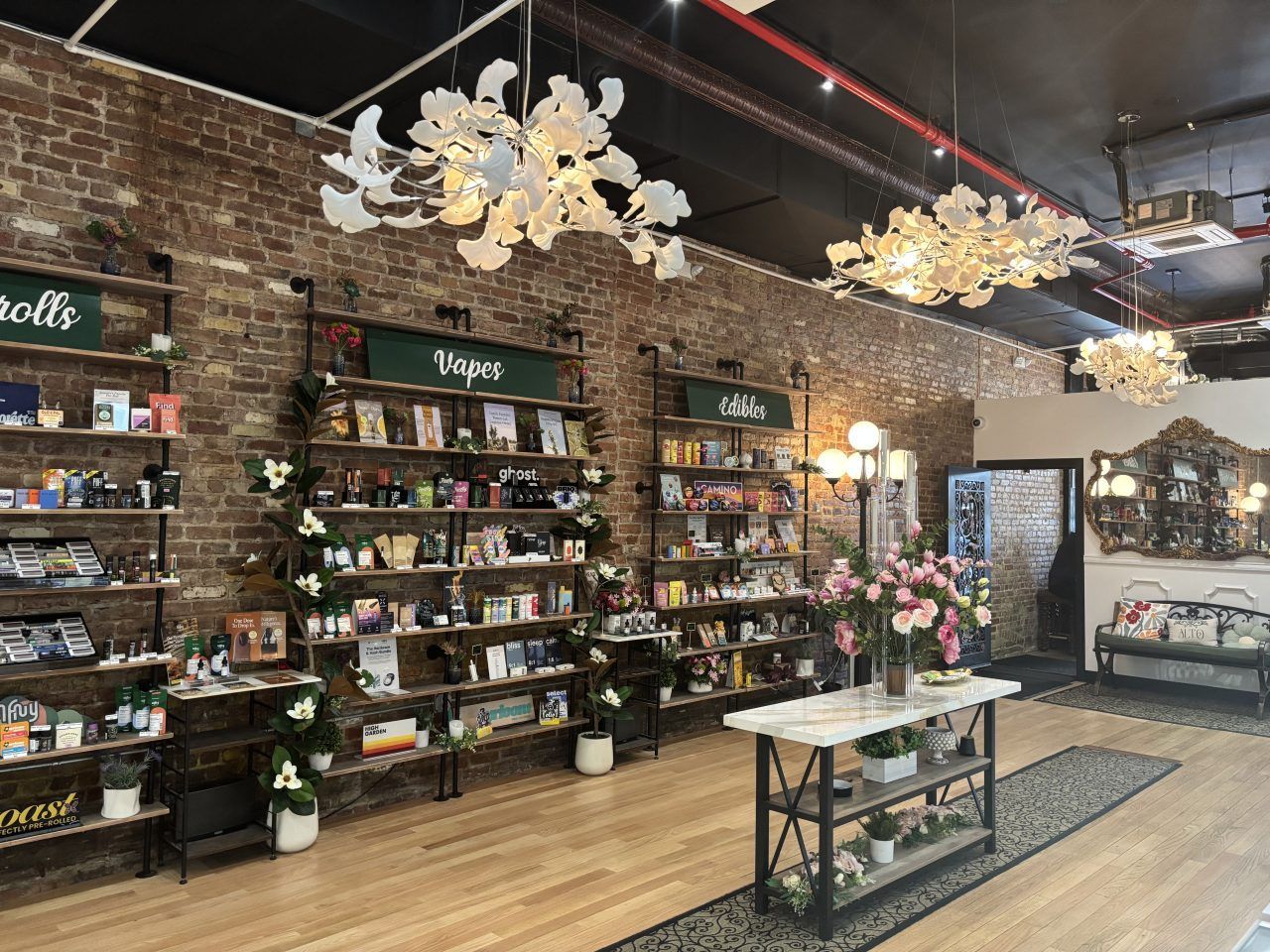
High Times featured Altocanna in its story on Dan Herer bringing Jack Herer's legacy to New York. Read the highlights, then visit us at 110 Chambers St.
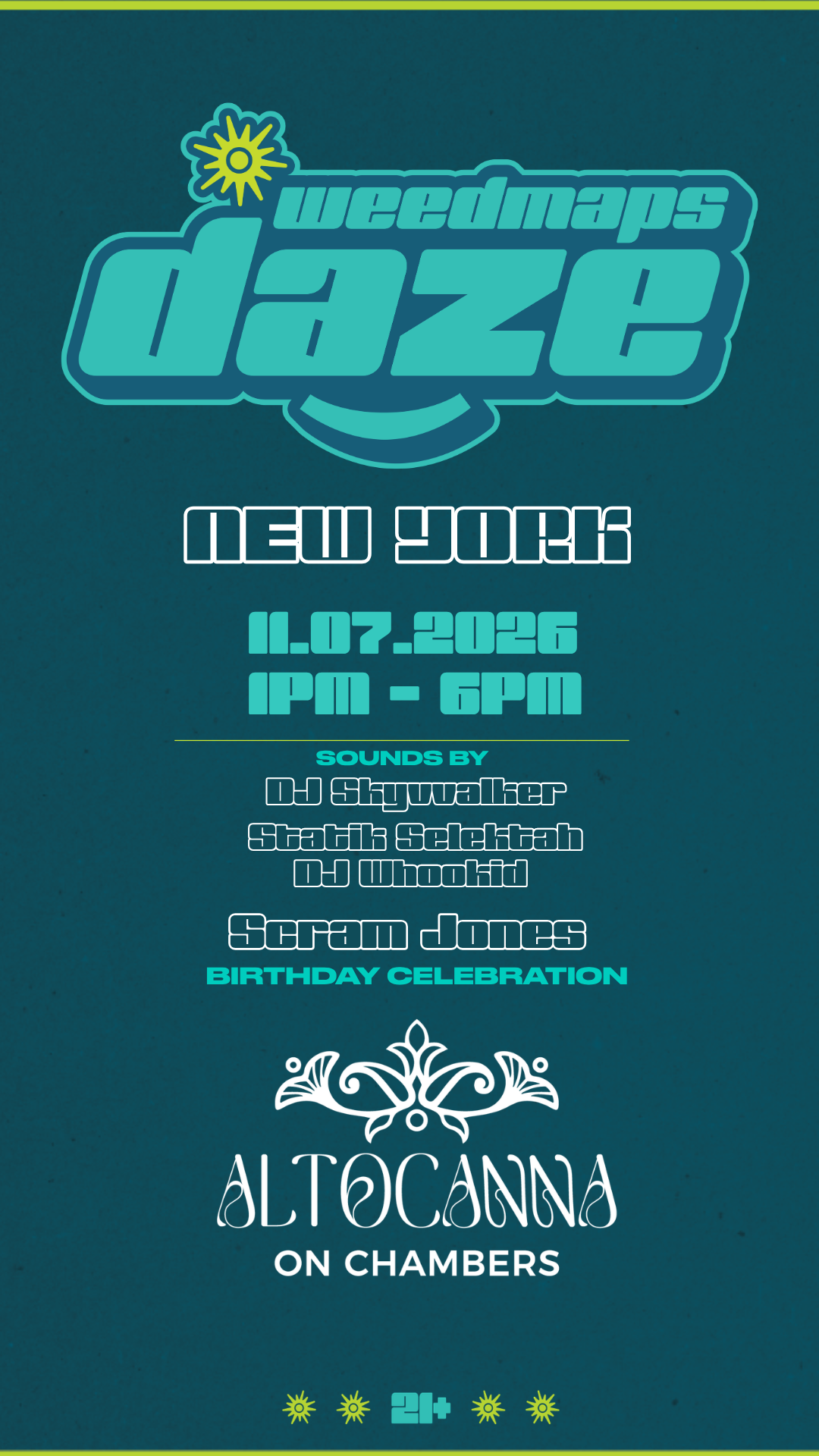
Altocanna joins Weedmaps and STIIIZY at Weedmaps Daze NYC on Saturday, Nov 7, 1 to 6 PM at The DL. See what to expect, how to RSVP and how to get there.
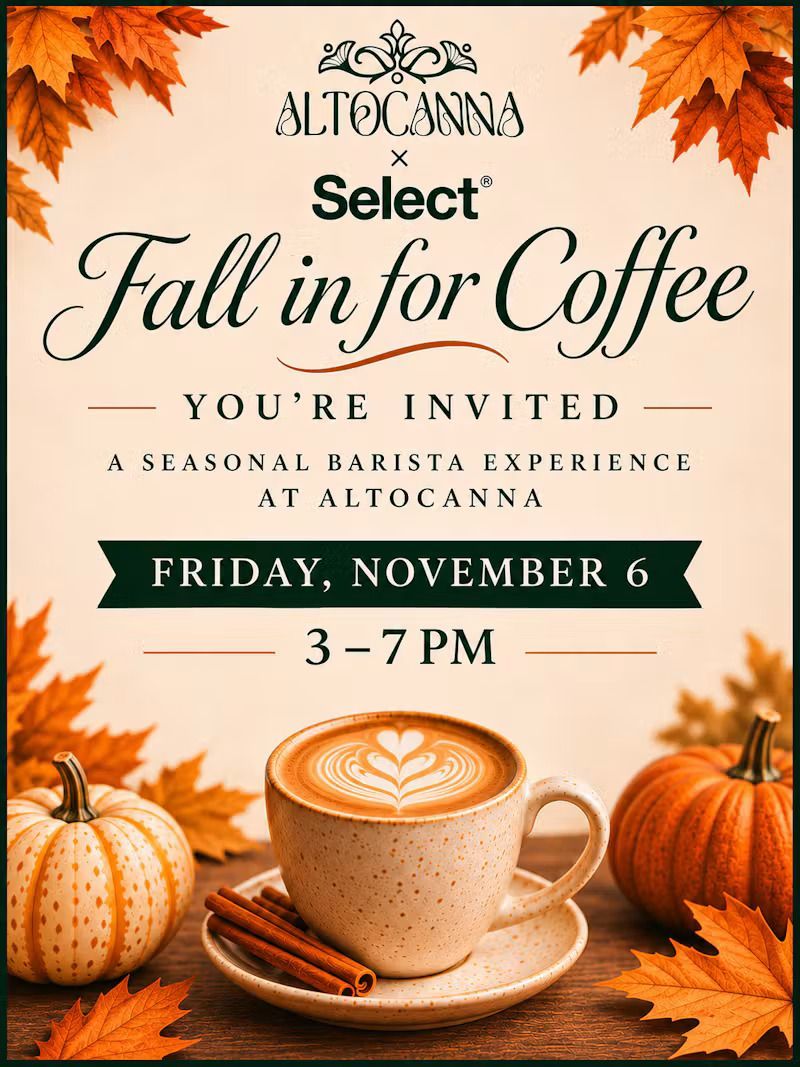
Fall has a flavor, and this Friday it is coming to Chambers Street. Altocanna is hosting a Pumpkin Spice Latte coffee cart at our Tribeca shop on Friday, November 6, so you can stop by, grab a seasonal drink and settle into the coziest part of the year with us. Fall Flavors on Chambers Street There is something about the first real chill of November that makes a warm cup feel like the right idea. Pumpkin spice has become the unofficial taste of the season in New York, and we thought it would be fun to bring a little of it to our corner of Tribeca. Our coffee cart will be set up at the shop at 110 Chambers St, and our team will be around to say hello, answer questions and enjoy the afternoon with you. You do not need to be a regular to join. If you have been meaning to visit Altocanna, a seasonal coffee cart is an easy and relaxed reason to come in for the first time. If you already know us, come by and bring a friend. Make It a Cozy Friday in Tribeca Friday is the start of the weekend, and Tribeca is a great place to slow down. Take a walk through the cobblestone streets, look at the fall decorations and let the evening unfold. Stop at the cart on your way home from work, on your way to dinner or just because you are nearby. Altocanna is easy to reach from all over Lower Manhattan. We are at 110 Chambers St, between West Broadway and Church St, close to the 1/2/3 and A/C trains at Chambers St and a short walk from the R/W at City Hall. Neighbors from the Financial District, SoHo, Battery Park City and Chinatown are all welcome. What to Know Before You Come When: Friday, November 6, Where: Altocanna on Chambers, 110 Chambers St, New York, NY 10007 Who: Adults 21 and older. Please bring a valid government issued ID. What: A Pumpkin Spice Latte coffee cart Questions: Call us at (212) 933 4737 This one is just for the season. Come by, grab a cup and say hello to the Altocanna team. We are glad to have you. See you on Friday for a cozy evening and a cup of pumpkin spice. 21+ only. Valid government issued ID required.

Altocanna and Weedmaps are throwing a Customer Appreciation Event on Friday, October 30, from 3 to 6 PM at our shop at 110 Chambers St in Tribeca. It is free to attend, open to adults 21 and older, and it comes with merch giveaways, light bites and a raffle for two Puffco devices and two tickets to Blood Manor, the Tribeca haunted house. This post covers what the event is, what to expect, how to get here and what to know before you come. If you only need the basics, the quick facts are right below. The Event at a Glance What: Altocanna x Weedmaps Customer Appreciation Event When: Friday, October 30, 3 to 6 PM Where: Altocanna on Chambers, 110 Chambers St, New York, NY 10007 (Tribeca) Cost: Free Who: Adults 21 and older What is happening: Merch giveaways, light bites, and a raffle for two Puffco devices and two tickets to Blood Manor Event listing: Halloween x Weedmaps on Weedmaps What Is the Altocanna and Weedmaps Customer Appreciation Event? It is our way of saying thank you. Altocanna is a licensed adult-use cannabis dispensary on Chambers Street, and the people who walk through our doors are the reason the shop is part of Tribeca. This event, hosted with Weedmaps, is a few hours set aside to celebrate them with some Halloween season fun. Weedmaps lists the event on its platform as "Halloween x Weedmaps," a pop up with raffles, prizes and free swag. On our flyer it is called a Customer Appreciation Event. It is the same afternoon, at the same address, so if you see either name, you are looking at the same event. You do not need to be a regular to join. If you have been meaning to visit the shop, a relaxed afternoon with a friendly crowd is an easy first visit. If you already shop with us, come say hello. What to Expect on Friday, October 30 The event runs for three hours, and you can stop by at any point between 3 and 6 PM. Here is what we have planned. Merch Giveaways Weedmaps is bringing free merch for guests. Giveaways are first come, first served while supplies last, so earlier in the afternoon is the safer bet if you want to be sure to take something home. Light Bites We will have light bites on hand so you are not browsing on an empty stomach. Think of it as a small thank you, not a full meal. The Raffle This is the headline. One raffle, two sets of prizes: two Puffco devices and two tickets to Blood Manor. More on that below. Friendly Faces Our team will be here all afternoon. If you have questions about what is on our menu, how pickup works or what is new in the shop, this is a relaxed time to ask. The Raffle: Two Puffco Devices and Two Blood Manor Tickets The raffle is for two Puffco devices and two tickets to Blood Manor. Our team will explain how to enter when you arrive, and the Official Rules apply to the raffle. You must be 21 or older to enter. Puffco is a well known name in the cannabis accessories world, and a device is a prize many of our customers will be glad to win. We have kept the details simple on purpose: the prizes are the devices themselves, and winners will be announced at the event. Blood Manor is a haunted house at 359 Broadway, a short walk from our door. According to its website, it is about 10,000 square feet of themed rooms and passageways, and it calls itself NYC's Scariest Haunted House Attraction. You can check dates, hours and ticket information on the official Blood Manor website . Tickets are provided by Blood Manor and are subject to its availability and rules. If you win Blood Manor tickets, our Tribeca haunted house guide covers what to expect inside, how the timed entry works and how to plan the rest of your night. Why We Are Hosting This Event There is a simple reason for the afternoon. Our customers are why Altocanna is here, and an in person thank you is better than a thank you in an email. Altocanna is a CAURD licensed, majority women owned and social justice owned business, and being part of Tribeca is something we take seriously. Events like this keep us connected to the neighborhood: customers who live nearby, people who work in Lower Manhattan, and visitors who find us while they are out for the day. The event also gives us a chance to work alongside Weedmaps, a platform many people in New York use to find dispensaries, and to team up with a local neighbor, Blood Manor, for the Halloween season. A Quick Word About Weedmaps Weedmaps is an online platform where people find cannabis dispensaries and see what they offer, and it hosts event listings like this one. Altocanna is listed on Weedmaps, and the event page there has the details of the afternoon. If you found us through Weedmaps, welcome. You are in the right place. You can see the event on the Weedmaps listing for Halloween x Weedmaps , and learn more about the platform at weedmaps.com . How to Get to Altocanna on Chambers We are at 110 Chambers St, New York, NY 10007, between West Broadway and Church St, in the heart of Tribeca. By subway: The 1, 2 and 3 trains and the A and C trains stop at Chambers St, a short walk away. The R and W trains stop at City Hall, also close by. On foot or by bike: If you are coming from the west side of Tribeca, the Hudson River Greenway is an easy way in. From the Financial District: Walking up Church St brings you straight to our block. Many guests come from the neighborhoods around us, including the Financial District, SoHo, Battery Park City, Chinatown, the West Village and the Lower East Side. If you work in Lower Manhattan, 3 to 6 PM on a Friday is a good time to stop by on the way home. What to Bring and What to Know A few simple notes will make your visit smoother. Bring valid government issued ID. You must be 21 or older, and a valid ID is required to shop with us. Know the basics of New York law. Adults 21 and older may possess up to 3 ounces of cannabis and up to 24 grams of concentrated cannabis. If you have questions about the rules, our team is glad to explain what we can. Come with a friend. A group is welcome as long as everyone is 21 or older, and sharing the afternoon makes the raffle more fun. Plan your timing. The event runs from 3 to 6 PM. Giveaways are while supplies last. Ask questions. Our team is happy to help, whether you are a first timer or know exactly what you like. If you are new to dispensaries, our staff can walk you through how everything works. There is no pressure and no wrong question. Make an Afternoon of It in Tribeca Friday, October 30 falls right at the start of Halloween weekend, and Tribeca is a good place to be. Walk around the neighborhood, take in the decorations and look for a coffee or an early dinner nearby before or after the event. If you are curious about the haunted house next door, our Blood Manor and Halloween in Tribeca guide will help you plan the evening. Frequently Asked Questions When is the Altocanna and Weedmaps Customer Appreciation Event? It takes place on Friday, October 30, from 3 to 6 PM. Where is the event? At Altocanna on Chambers, 110 Chambers St, New York, NY 10007, in Tribeca. Is the event free? Yes. Admission to the event is free. Who can attend? Adults 21 and older. Please bring a valid government issued ID. What will be at the event? Merch giveaways, light bites and a raffle for two Puffco devices and two tickets to Blood Manor. Giveaways are while supplies last. Where can I see the event listing? On Weedmaps, under "Halloween x Weedmaps" for Altocanna. The listing is linked above. How do I get to Altocanna? Take the 1, 2 or 3 train or the A or C train to Chambers St, or the R or W train to City Hall. We are between West Broadway and Church St. See You on October 30 Thank you to everyone who has shopped with us, shared us with a friend or stopped in to say hello. We are looking forward to seeing you on Friday, October 30, from 3 to 6 PM at 110 Chambers St. Come hungry for light bites, curious about the raffle and ready for a good time. Questions before you come? Call us at (212) 933 4737. 21+ only. Valid government issued ID required. Giveaways while supplies last. Raffle subject to Official Rules. Altocanna, Weedmaps and Blood Manor are independent businesses.
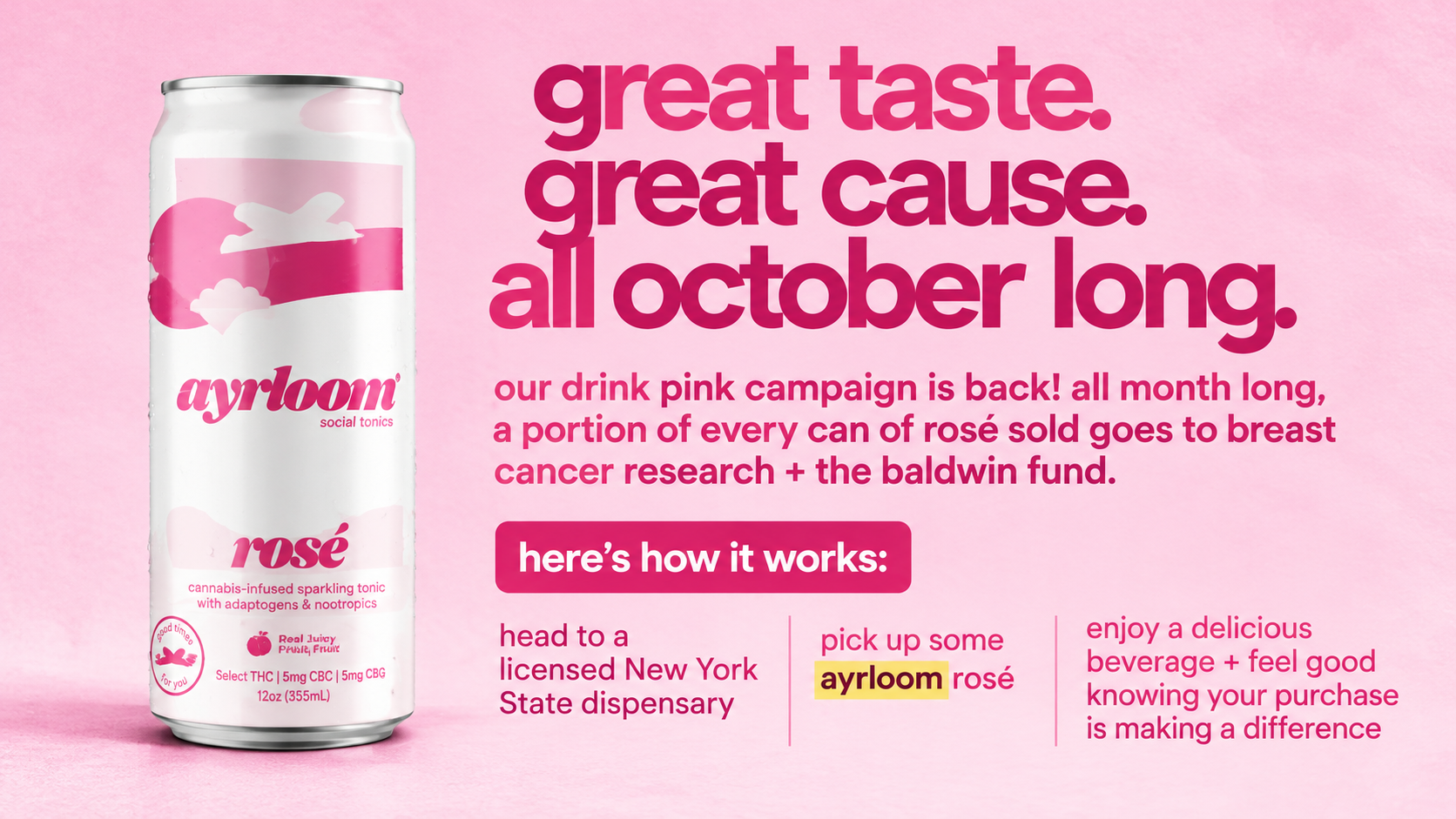
Learn what Ayrloom's Drink Pink campaign is, who it supports and ways to take part for Breast Cancer Awareness Month, with Altocanna in Tribeca.
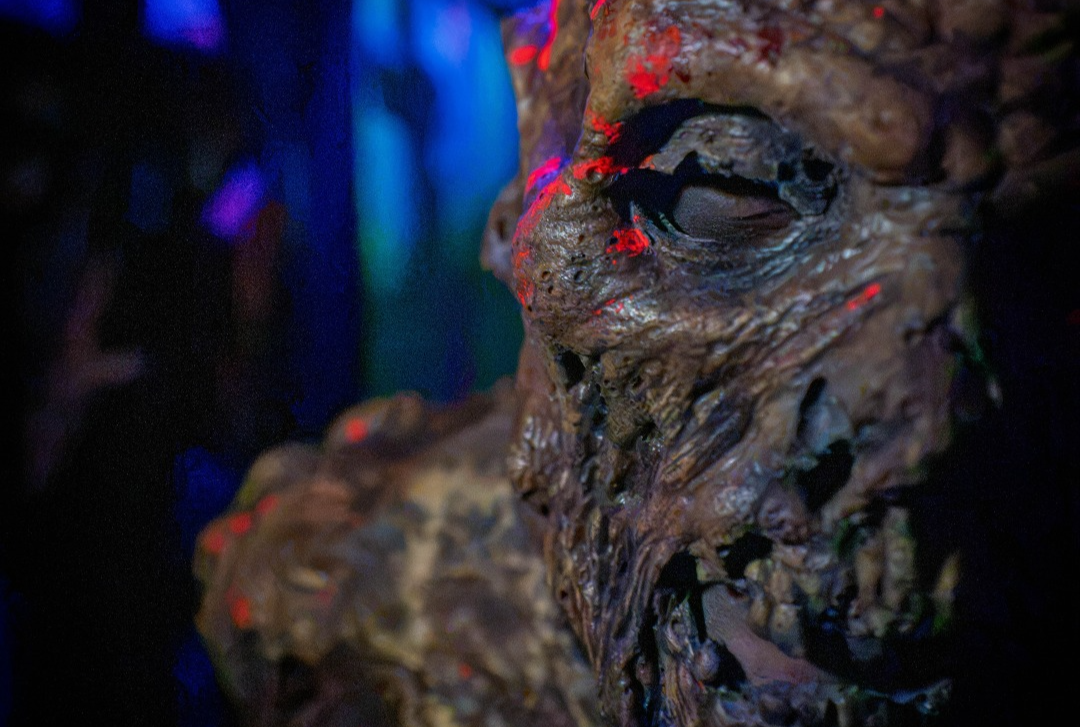
Altocanna and Blood Manor team up for Halloween in Tribeca. Learn about NYC's haunted house, plan your night, and enter to win a pair of tickets. 21+.
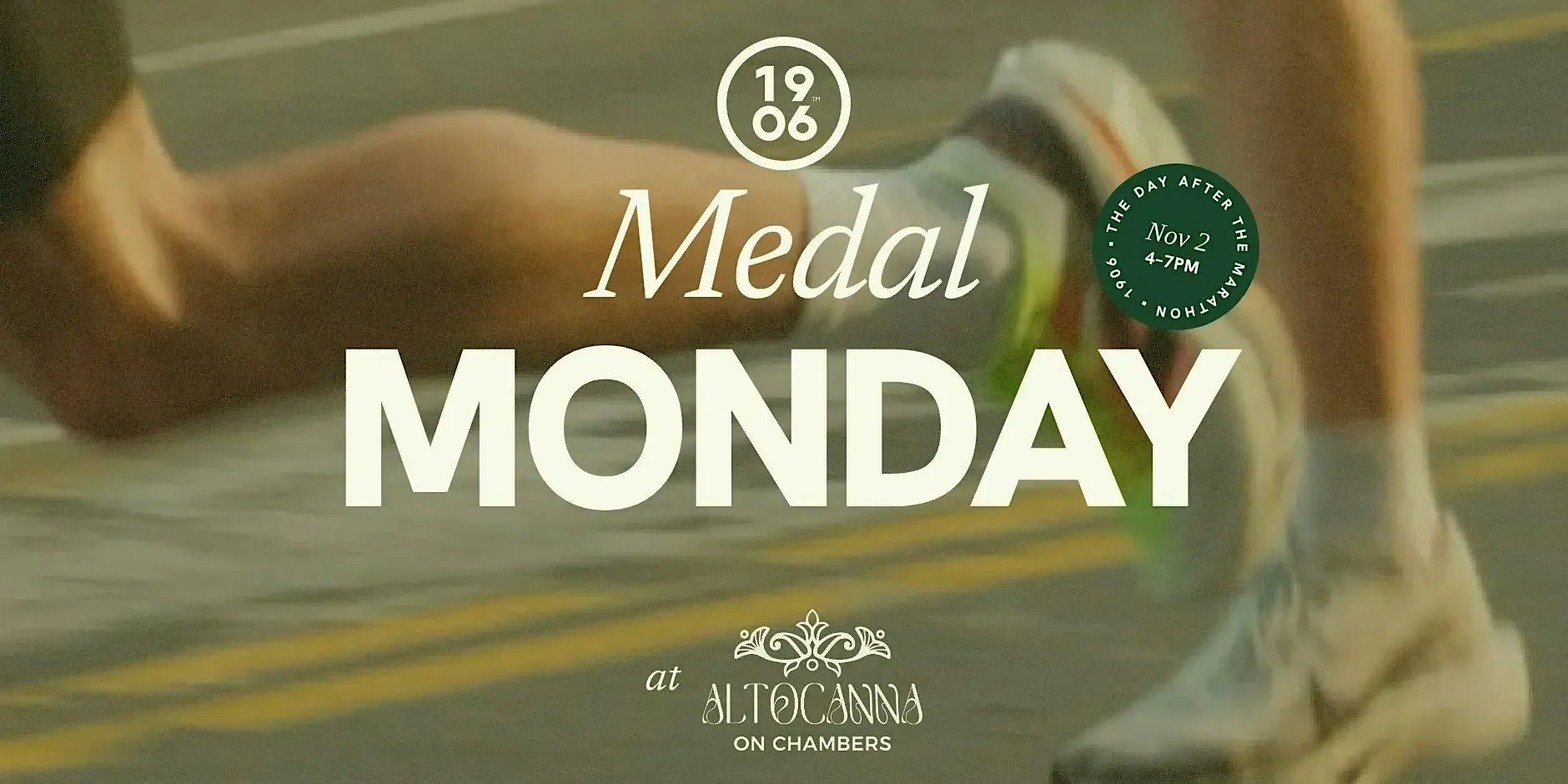
Ran or cheered the NYC Marathon? Join Altocanna and 1906 on Nov 2 in Tribeca for Medal Monday. Free, 21+, RSVP required. Medal perk for runners.
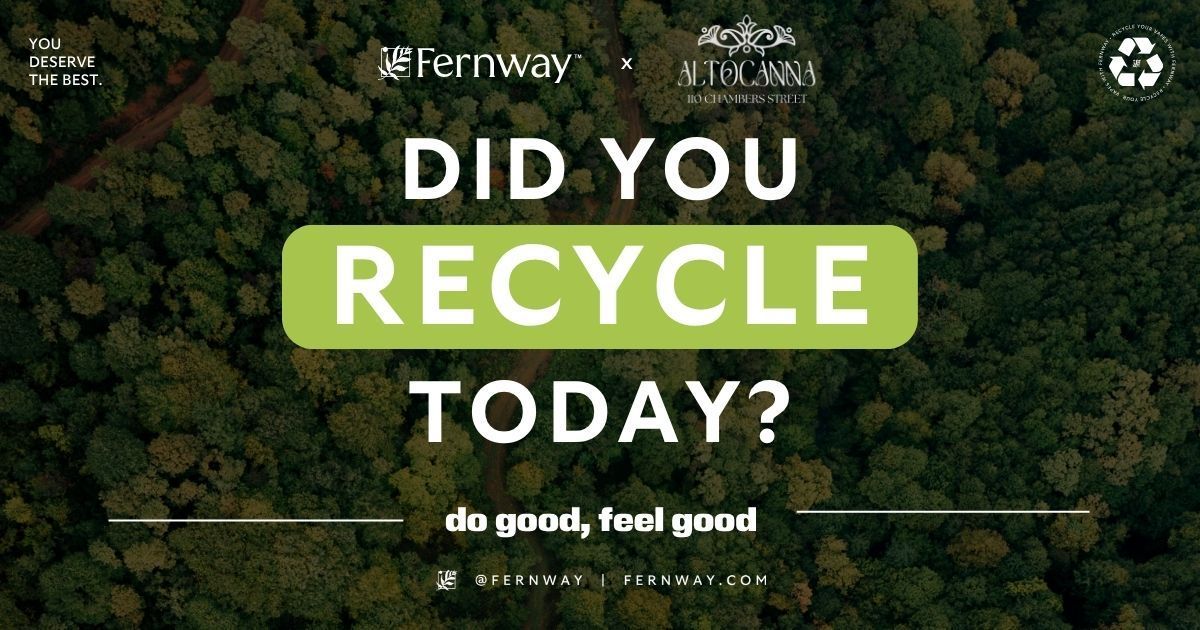
Recycle your empty cannabis vapes at Altocanna in Tribeca. Learn how the Fernway recycling program works and how to take part on your next visit.